

Copyright 2026 - Integrity Assessment Group.
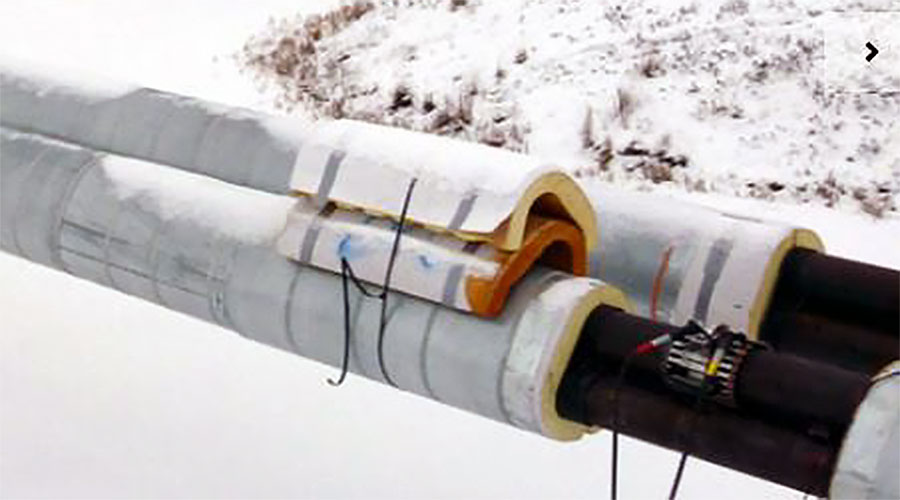
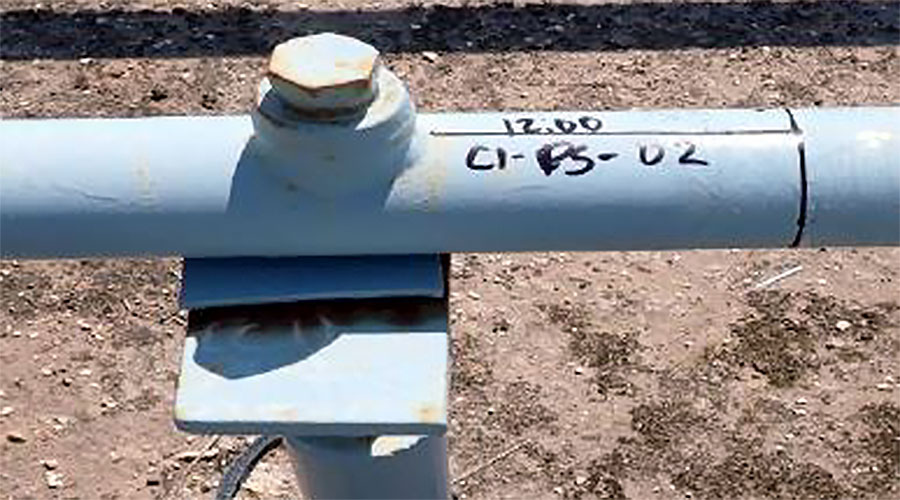
These systems, often supported by sliding, welded, or rolling supports, are prone to hidden corrosion that can compromise their integrity. NDE techniques such as ultrasonic testing, radiographic testing, and eddy current testing are employed to identify internal and surface defects without removing insulation or causing damage. RVI tools, including video borescopes and robotic inspection devices, provide detailed visual assessments of hard-to- reach areas, ensuring comprehensive inspections. By applying these advanced inspection solutions, facilities can proactively identify and address corrosion issues, enhancing the safety, reliability, and longevity of their piping systems.
CUPS & CUI Common Challenges Faced
Detecting Corrosion Under Insulation (CUI) and Corrosion Under Pipe Supports (CUPS) presents several challenges:
Hidden Nature: CUI and CUPS are often concealed beneath layers of insulation or pipe supports, making them difficult to detect without removing the insulation or supports.
Access Issues: Piping systems, especially in industrial settings, can be complex and difficult to access, particularly in areas with limited space or where pipes are densely packed.
Environmental Factors: Fluctuating temperatures, humidity, and exposure to corrosive substances can accelerate corrosion, but these factors also make it harder to predict where corrosion might occur.
Insulation Materials: Different types of insulation materials can affect the ability to detect corrosion. For example, some materials may trap moisture, increasing the risk of corrosion, while others may interfere with certain inspection techniques.
Detection Limitations: Traditional inspection methods may not always be effective in identifying early-stage corrosion or small defects. Advanced techniques and technologies are often required to accurately detect and assess the extent of corrosion.
Cost and Time: Comprehensive inspections can be time-consuming and costly, especially if they require the removal and replacement of insulation or supports. Addressing these challenges requires a combination of advanced NDE techniques, such as ultrasonic testing and radiographic testing, along with innovative RVI tools to ensure thorough and accurate inspections.
Non-Destructive-Examination (NDE) Options
Here are some successful Non-Destructive-Examination (NDE) detection methods and technology for hidden corrosion:
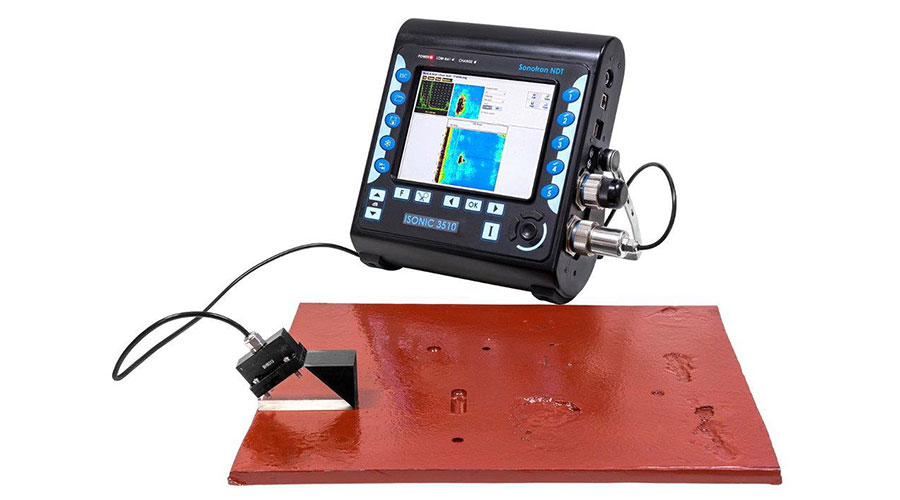
Short Range Guided Wave Testing (SRGW): This advanced ultrasonic technique uses multiple ultrasonic elements and electronic time delays to create detailed cross-sectional images of the material, making it highly effective for detecting hidden corrosion up to 32inches in front of the probe.
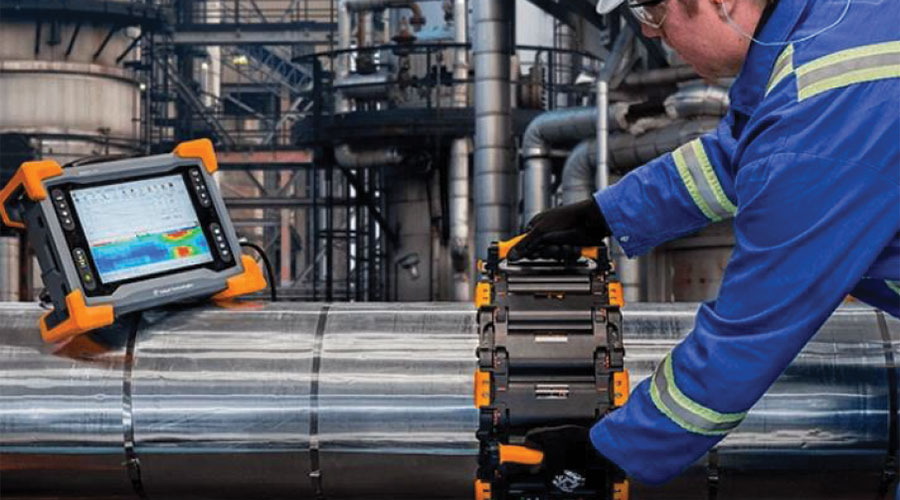
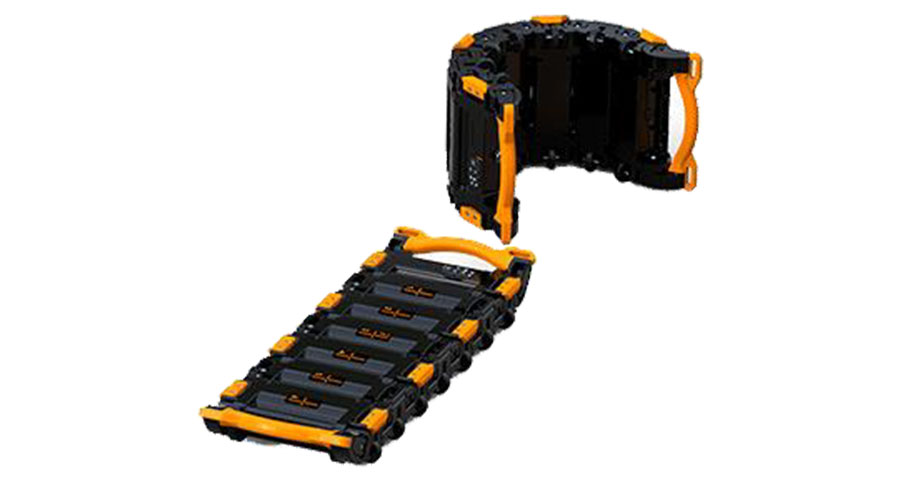
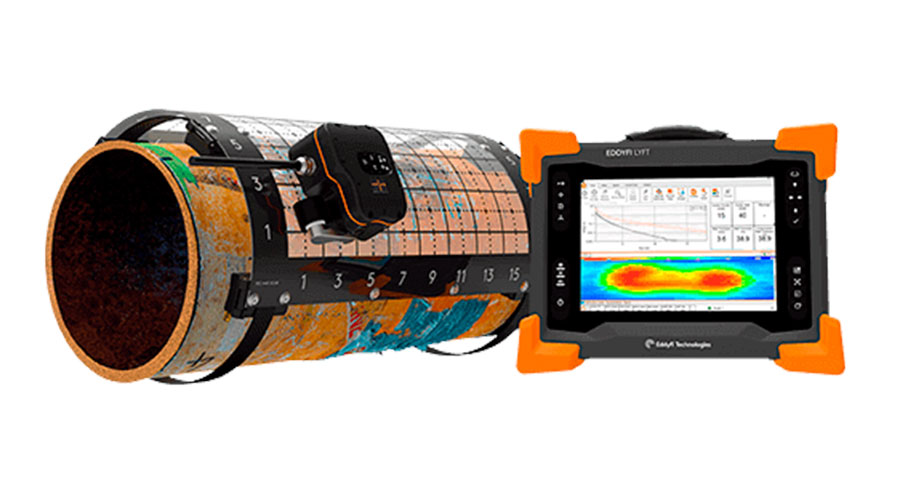
Pulsed Eddy Current Array (PECA) Testing: PECA uses multiple coils arranged in an array to detect surface and near-surface defects. It’s particularly useful for inspecting complex geometries and detecting corrosion under insulation.
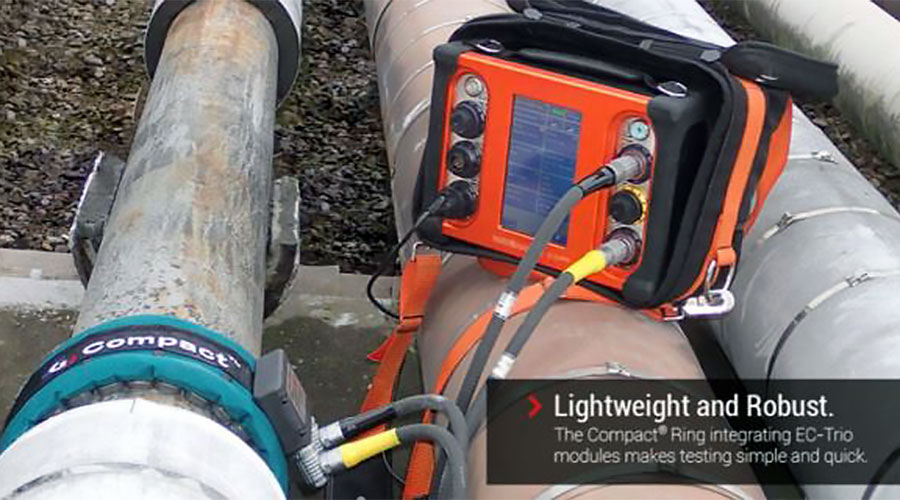
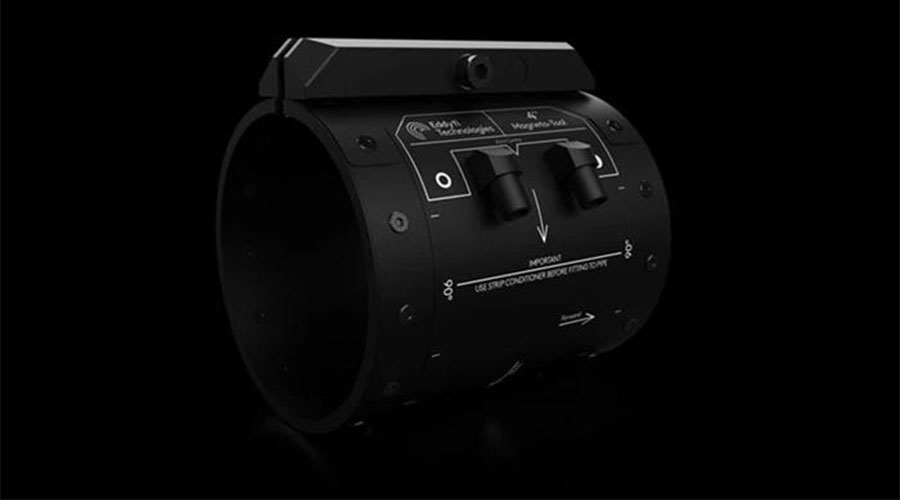
Medium Range Guided Wave Testing (MRGW): This technique employs a cobalt strip within the collar, which enhances the transmission and reception of ultrasonic waves. This method is particularly effective for inspecting areas that are difficult to access, such as those under insulation or pipe supports, providing a reliable and efficient solution for maintaining the integrity of critical infrastructure.
Long Range Guided Wave Testing (LRGW): This long range ultrasonic based testing method is highly capable of locating hidden corrosion and is used for both screening and comparative assessment programs. It has been successfully applied in various industries, including oil & gas, petrochemical, and pharmaceutical to detect and quantify corrosion. These methods, when applied correctly, can significantly enhance the detection and management of hidden corrosion, ensuring the safety and reliability of critical infrastructure.
Remote Visual Inspection Options
Here are some successful Remote Visual Inspection (RVI) detection methods and technology for hidden corrosion:
Thermography: Infrared thermography detects temperature variations on the surface of materials, which can indicate the presence of corrosion or other defects beneath the surface.
D-Sight Technique: This non-destructive testing method is highly sensitive to hidden corrosion and is used for qualitative assessments. It has been successfully applied in various industries, including aerospace, to detect and quantify corrosion.
These methods, when applied correctly, can significantly enhance the detection and management of hidden corrosion, ensuring the safety and reliability of critical infrastructure.
105 W. 4th St.
Clare, MI 48617
22807 Industry Ln.
Tomball, TX 77375
5425 Business Pkwy.
Theodore, AL 36582
7445 Whitepine Rd.
Richmond, VA 23237
1480 E. Lebanon Rd., Ste. K1
Dover, DE 19901
Copyright 2026 - Integrity Assessment Group.