


Copyright 2026 - Integrity Assessment Group.
By understanding the morphology of the anomalies and the materials that the exist within our SME’s can provide an optimal inspection plan. The different Advanced Tools listed below are capable of being used as; semi-automated, mechanized, or robotically integrated platforms to meet the requirements of our customers.
Industrial drones have revolutionized remote visual inspections across a variety of industries, offering enhanced efficiency, safety, and data collection capabilities. Here’s a summary of the different types of industrial drones used for these inspections, along with their applications:
Multi-Rotor Drones: Known for their maneuverability, multi-rotor drones are widely used for close-range inspections. They can hover in place, making them suitable for detailed inspections of structures such as roofs, towers, and bridges. These drones are equipped with high-resolution camera sand thermal imaging sensors to identify defects, leaks, and insulation failures.
Thermal Imaging Drones: Drones equipped with thermal cameras are specifically used for detecting heat anomalies. They are valuable in applications such as inspecting electrical equipment, identifying energy losses in buildings, and monitoring the health of solar panels. Thermal imaging helps pinpoint issues that may not be visible to the naked eye.
Inspection Drones for Infrastructure: These drones are tailored for inspecting critical infrastructure like power lines, communication towers, and oil and gas facilities. They often come with specialized sensors and payloads to assess structural integrity and detect potential hazards, helping to ensure compliance with safety regulations.
Agricultural Drones: In the agriculture sector, drones are used for crop monitoring, soil analysis, and assessing irrigation systems. They provide valuable insights into crop health, helping farmers optimize their operations and reduce resource waste.
Applications Across Industries: Industrial drones are utilized in various sectors, including construction, energy, telecommunications, and environmental monitoring. In construction, they assist in progress tracking and site inspections. In energy, they help monitor and inspect wind turbines, solar panels, and power lines. In telecommunications, drones are employed to inspect cell towers and communication infrastructure.
Benefits: The use of industrial drones for remote visual inspections enhances safety by reducing the need for personnel to access hazardous areas. They also improve data accuracy and speed up inspection processes, leading to better decision-making and cost savings.
Overall, industrial drones play a crucial role in enhancing operational efficiency and safety across multiple industries, providing valuable insights that contribute to effective maintenance and management of assets.
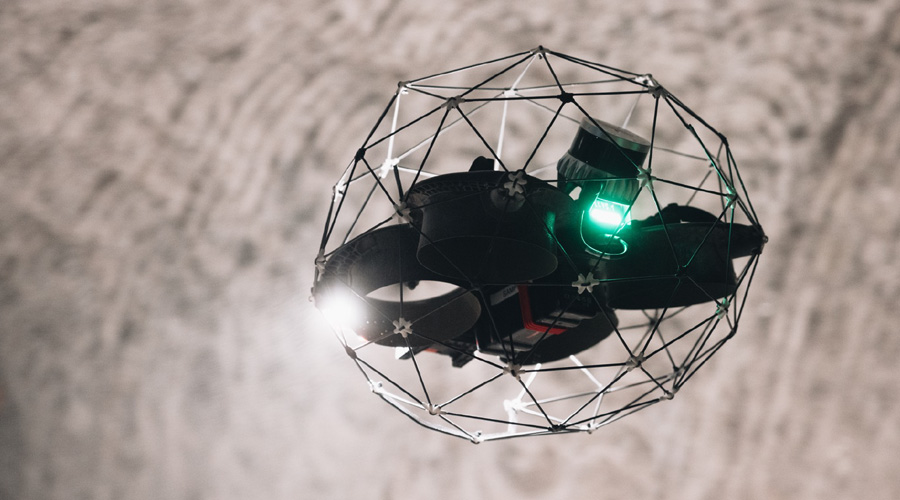
Drone technology is steadily being incorporated as a sustainable practice for asset managers in the energy industries. Nonetheless, current solutions are unable to operate close to structures or in contact with operators, restricting effective inspection in complex environments.
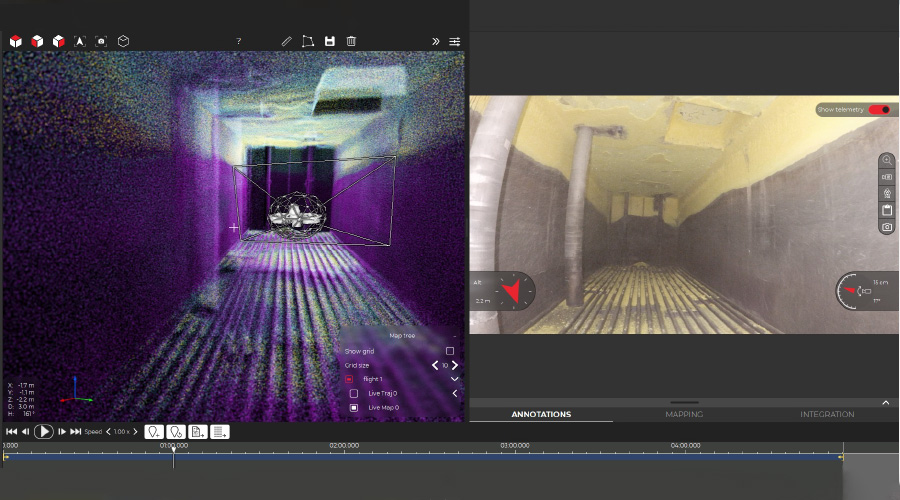
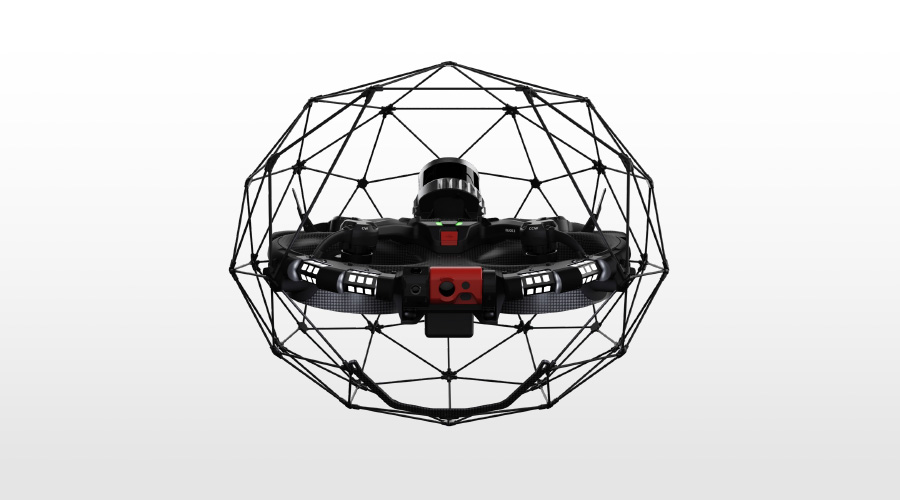
While conventional methods are still required for maintenance, preliminary inspection can be performed at lower cost, risk, and infrastructure downtime. Flyability aims at becoming the leading technology provider in exploration and inspection of confined spaces and complex environments.
Drone Services Offered: Below are some of the most Drone services being offered today:
105 W. 4th St.
Clare, MI 48617
22807 Industry Ln.
Tomball, TX 77375
5425 Business Pkwy.
Theodore, AL 36582
7445 Whitepine Rd.
Richmond, VA 23237
1480 E. Lebanon Rd., Ste. K1
Dover, DE 19901
Copyright 2026 - Integrity Assessment Group.